Posted by Vanessa Knipper on Thu, Jul 01, 2010 @ 07:13 AM
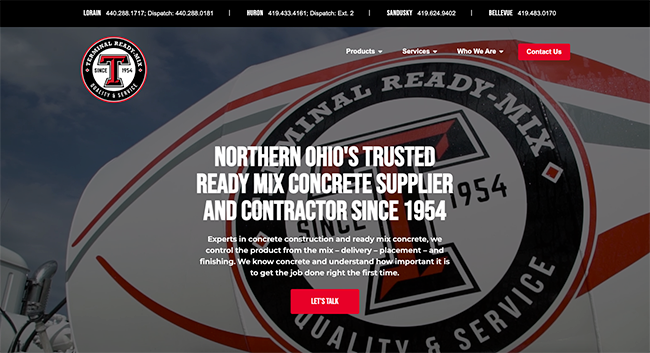
"A picture is worth a thousand words," the old saying goes; and that is never more true that in logo creation. A logo is a stylistic "picture" of your brand. Your business logo should instantly identify your company or product to consumers. Like Nike's swoosh or Coke's stylized red can or Hallmark's gold crown, no words need be spoken; your logo should be synonymous with your brand name. But logos are far more than powerful brand identifiers. An effective logo should invoke your corporate image and reflect the essence of your brand message. When a consumer sees your logo, you want it to engender emotions that are simpatico with the brand image you are striving to build.


Sounds like a tall order and, of course, your logo design alone won't create the consumer relationship you desire or earn your brand the consumer following you seek. You have to tie your logo to an aggressive inbound marketing strategy that creates the desired consumer associations with your brand. But the starting point is creating of a dynamic logo for your brand.
There are 7 proven design tips for creating effective logos:
- Start with a strong, clean, uncomplicated, well-balanced image.
- Strive for a distinctive, bold, uncluttered, well-articulated design that is easily recognizable at a glance.
- Use graphics that are appropriate to your business or product.
- Choose a logo that enhances and compliments your company or product name.
- Select a clean, easy-to-read font that is quickly decipherable from a distance.
- Design a logo that communicates a key characteristic of your business.
- Make certain your logo will look equally attractive and be easy to read in both black and white and color.
Once you've created a dynamic logo, aggressive inbound and outbound marketing campaigns will be necessary to train consumers to associate your new logo image with your brand and what it stands for. In the past, branding campaigns often took years to come to fruition. Today, inbound marketing campaigns that focus heavily on social media can accomplish your branding goals in a matter of months, weeks if some aspect of your social media marketing campaign goes viral. Only inbound marketing is capable of taking a logo/branding campaign from 0 to 60 in what often seems like the blink of an eye!
Got a great logo? Get a great logo.
Posted by Chris Knipper on Wed, Dec 23, 2009 @ 06:46 AM
A corporate logo design need not be flashy, intricate or extremely modern to be effective. Effective logos do, however, have to elicit some sort of response. At the very least, all logos should inspire a basic level of confidence and, ideally, interest in your brand.
Style and Font
There are far more fonts available for corporate logo design than there are on Microsoft Word or Mac Pages, for example. New fonts are constantly being created and can even be custom designed for your brand. So, it’s worth exploring different options through a bit of online research and consultation with your branding company.
See what similar brands in your area are using as fonts. What inspires confidence in one industry may be confusing, meaningless or even detrimental in another. There are certain fonts that say “digital” or “cutting-edge” while others might say “traditional,” “reliable” or “powerful”. Figure out what you’re trying to say first and then seek out your ideal font.
Corporate Logo Design and Color
As mentioned above, simple designs can achieve everything you’re looking for, but a word of caution: Don’t be so simple as to seem common or derivative. In other words, your logo should never be mistaken for Clip Art.
Choose colors that speak to your brand. Much like fonts, colors and color tones or brightness levels suggest different moods, characteristics and strengths of your brand. Colors in combination also have different effects. Sample different color combinations across all of your sample font and design schemes.
Also consider color in terms of light, texture and shadow. A strong designer can suggest modifications in color, texture, shading and tone to differentiate your logo.
Convergence
Sample a few different designs in a few different color schemes each. In the brainstorming and creative phase, all options should be on the table, including fun and wild ideas. In the end you can tie all the elements—style, font, design, color—together with your brand message.