Brand and Capture

Current Articles | RSS Feed RSS Feed

How to Slow the Flow of Facebook Marketing Spam

It wasn't a problem when I had 100 friends on Facebook, people I really knew from High School, College or Work. I rarely got spammy e-mails from those folks, because very few were marketers. Now, it's a different story. I'm an active inbound marketer trying to expand my reach in social media, not to practice spam myself, but to post valuable content and links that will ultimately attract folks to our blog and website. I've grown my Facebook friend base by over 500% in recent months, but now I'm paying the price. Literally hundreds of exciting new offers and events (that I couldn't care less about) come barreling into my inbox every night. Time for some action on my part.

stop the flow of social media marketing spamI went to my personal Facebook page, then > Account > Account Settings  and clicked on the Notifications tab. Revelation! My default settings had me welcoming e-mails for all kinds of things I really don't want. I proceeded to uncheck nearly everything except items that I should know about, for example if someone posts on my Wall or tags me in a post or anything else that could be a problem if I ignore it. All the other stuff is gone. No more Event Invitations, no more "Like" invites, no more great offers via e-mail. You still see this stuff when you login to Facebook, but it's easier to ignore and dispose of than it is in your InBox.

Why am I being so anti-social? Well, look folks, I really am interested in what you have to say on your wall and via your posts. I do check those out when I have time. Do I want to hear from you every day via e-mail? What do you think? I did a similar thing with Twitter. Now I automatically route ALL of my direct messages (DM's) to the spam folder of my e-mail client. Sorry gang, but that's what it's come to. I'll see you out on the social networks, but if you're trying to reach me via Facebook and Twitter e-mail notifications, there's nobody home.

Photo Credit: Tidewater Muse


Time to Change Internet Marketing Horses?


Many business owners think (or have been told) that Internet Marketing is a more cost effective use of their marketing budget than more traditional print or media advertising. It's not that simple.

time to change to an inbound marketing agency horseThe truth is that Internet Marketing can increase sales and reduce marketing costs, but only if done right. The best known tools, search engine optimization (seo), search engine marketing (sem) and e-mail marketing, work best as coordinated parts of an inbound marketing campaign. On their own? Not so much. If you want better results, it may be time to change horses.

Let's take a look at the strengths and weaknesses of these tools:

SEO

A few years ago a great battle began between SEO experts, who claim to know how to get your Web site to the top of the Google rankings, and the Google wizards, who constantly dream up ways to foil them. Who's winning? It's hard to say, and equally hard to get on Page 1 of a Google search. Some simple rules remain in place, and the most important is getting a lot of content indexed by Google and finding ways to attract people to read it. This is what blogging and social media promotion, the pillars of Inbound Marketing strategy, are all about. You do a lot of this and people like it, and you will rise in the rankings. But SEO by itself gets you nowhere. So what if you get a lot of traffic visiting your website? Does that buy you anything but monthly bills paid to your SEO company? Not unless you convert visitors to leads using effective calls-to-action and landing pages that entice your visitors to sign up for your valuable offers or content. Without this part of inbound marketing, you have no idea who's visiting and nothing to do but admire your stats.

SEM (a.k.a. Pay-Per-Click)

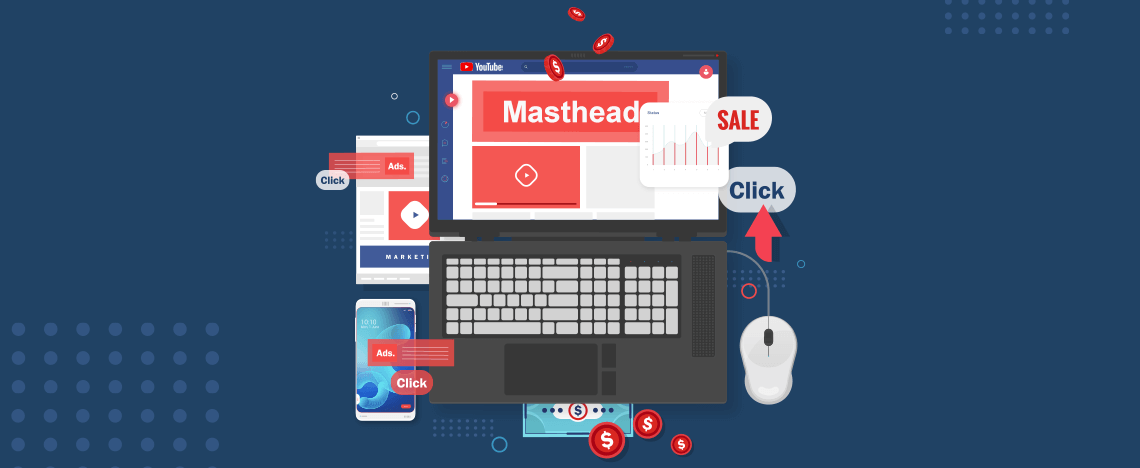
Most business owners have at least tried some pay-per-click (PPC) advertising via Google Adwords or other banner advertising on web sites. How many are thrilled with the results? The problem is that this is outbound marketing, i.e. you are pushing out an ad to an untargeted audience that pretty much hates unsolicited advertising. Even if you get a lot of click-throughs, how many of them convert into real leads and ultimately into customers? Unless you have a well-known brand, the answer is pretty few. From a cost perspective, you have to pay by the click-through volume, not by the leads. Pay per click can work as part of inbound marketing campaign, when there is real value (a helpful webinar for example) at the end of the click-through and the lead is captured via a landing page for follow-up sales calls. Again, SEM by itself can be a waste of money, but combined with inbound marketing, you have a better chance of success.

E-mail Marketing

At this point in our technology evolution, e-mail is nothing better than a necessary evil. We all hate the spam, and most e-mail offers get trashed before they are opened. The problem is that we either don't recognize or we don't like the sender, so there is no relationship that might otherwise inspire us to open an e-mail. Once more, this can be remedied by incorporating e-mail marketing into an inbound marketing strategy. Build relationships first through great blogs, comments and social networking. Then build your list of people who want to hear from you and send them valuable offers or content via e-mail. Update them when new products or services become available, but don't beat them over the head with marketing.

The Bottom Line

You can increase sales through Internet Marketing, but not the way it's been practiced for years. Using Inbound Marketing as a strategy you can leverage SEO, SEM and e-mail marketing without their downsides.

How does your website stack up against your competitors?
Click here for a free report


All Posts